


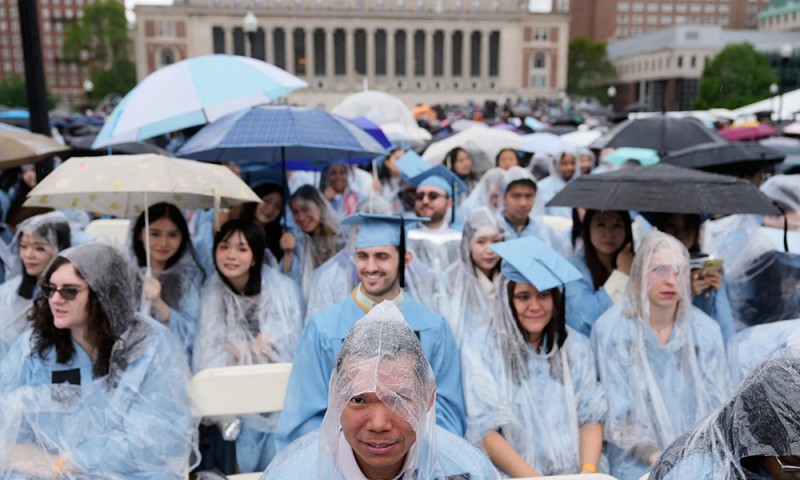
不到一代人的时间里,美国人对高等教育的看法发生了急剧逆转:高昂的成本和不确定的就业前景,使上大学变成了一项重大的人生风险。
根据NBC新闻近期的一项民意调查,63%的登记选民认为四年制大学学位“不值那个价钱,因为毕业生往往缺乏特定的工作技能,却背负着大量债务”。这一比例高于2017年的47%和2013年的40%。
与此同时,只有33%的人赞同学位“物有所值,因为它让人有更好的机会获得好工作,并在一生中赚取更多收入”。这一比例低于2017年的49%和2013年的53%。
即使是已经获得大学学位的美国人,态度也发生了逆转:如今只有46%的人认为获得学位是值得的,而在2013年这一比例为63%。
“看到人们对任何问题的态度发生如此剧烈的转变都非同寻常,尤其是对作为美国梦核心信条之一的大学学位。美国人曾将大学学位视为一种理想——它提供了过上更好生活的机会。而现在,这一承诺真的令人怀疑了,”哈特研究协会(Hart Research Associates)的民主党民意调查专家杰夫·霍维特(Jeff Horwitt)说道。该调查由他与民意战略公司(Public Opinion Strategies)的共和党民意调查专家比尔·麦金塔夫(Bill McInturff)共同完成。
“真正令人惊讶的是,所有人的态度都变了。不仅仅是那些没有大学学位的人,”霍维特补充道。
事实上,共和党人、独立派和民主党人对获得四年制学位都转向了更为负面的态度,尤其是在共和党人中。
如今,没有大学学位的美国人中,71%认为学位不值那个价钱,而认为值得的占26%;而在2013年,这两派人数几乎持平。
其他数据仍然显示,总体而言,大学毕业生比非大学毕业生收入更高、失业率更低。
但自2022年(OpenAI推出ChatGPT之年)以来,应届毕业生的失业率一直在攀升,如今已超过全国总体失业率。
高盛(Goldman Sachs)的一项分析显示,应届毕业生的劳动力市场已疲软到他们相对于无学位同龄人的传统优势处于历史低位。
随着越来越多证据表明人工智能正在压缩初级岗位的机会,更多的美国年轻人开始考虑职业院校,并进入更注重实践技能的行业。
与此同时,学生贷款债务继续让借款人背负数十年,而自1995年以来,公立大学的学费翻了一番,私立学校的学费则飙升了75%。
保守派美国企业研究所(American Enterprise Institute)的高级研究员普雷斯顿·库珀(Preston Cooper)告诉NBC新闻,那种认为学士学位在就业市场上总有回报的长期观念已经淡化。
“我认为学生们对承担攻读四年甚至两年学位的风险更加警惕了,”他说。“他们现在对任何能让他们更快进入劳动力市场的途径都更感兴趣。”
对高等教育的信心多年来一直在减弱。根据盖洛普(Gallup)9月的一项民意调查,只有35%的人表示上大学“非常重要”——创历史新低——低于2019年的51%和2010年的75%。
与此同时,学生债务激增压垮了其价值主张:皮尤研究中心(Pew Research)去年的一项调查显示,只有22%的人认为即使需要贷款,四年制学位的花费也值得;47%的人认为只有在无需贷款的情况下才值得;29%的人认为无论如何都不值得。
NBC的民调数据指向更黯淡的看法。相比之下,求职网站Indeed今年早些时候的一项调查发现,三分之一的毕业生表示他们的学位是“浪费钱”。在Z世代中,51%的人表示后悔,而千禧一代为41%,婴儿潮一代仅为20%。
“由于可负担性问题,高等院校已经失去了它们与广大美国民众曾经拥有的那种联系,”民调专家霍维特告诉NBC新闻。“它们现在被视为脱离现实,许多美国人难以企及。”(*)
译者:刘进龙
审校:汪皓
不到一代人的时间里,美国人对高等教育的看法发生了急剧逆转:高昂的成本和不确定的就业前景,使上大学变成了一项重大的人生风险。
根据NBC新闻近期的一项民意调查,63%的登记选民认为四年制大学学位“不值那个价钱,因为毕业生往往缺乏特定的工作技能,却背负着大量债务”。这一比例高于2017年的47%和2013年的40%。
与此同时,只有33%的人赞同学位“物有所值,因为它让人有更好的机会获得好工作,并在一生中赚取更多收入”。这一比例低于2017年的49%和2013年的53%。
即使是已经获得大学学位的美国人,态度也发生了逆转:如今只有46%的人认为获得学位是值得的,而在2013年这一比例为63%。
“看到人们对任何问题的态度发生如此剧烈的转变都非同寻常,尤其是对作为美国梦核心信条之一的大学学位。美国人曾将大学学位视为一种理想——它提供了过上更好生活的机会。而现在,这一承诺真的令人怀疑了,”哈特研究协会(Hart Research Associates)的民主党民意调查专家杰夫·霍维特(Jeff Horwitt)说道。该调查由他与民意战略公司(Public Opinion Strategies)的共和党民意调查专家比尔·麦金塔夫(Bill McInturff)共同完成。
“真正令人惊讶的是,所有人的态度都变了。不仅仅是那些没有大学学位的人,”霍维特补充道。
事实上,共和党人、独立派和民主党人对获得四年制学位都转向了更为负面的态度,尤其是在共和党人中。
如今,没有大学学位的美国人中,71%认为学位不值那个价钱,而认为值得的占26%;而在2013年,这两派人数几乎持平。
其他数据仍然显示,总体而言,大学毕业生比非大学毕业生收入更高、失业率更低。
但自2022年(OpenAI推出ChatGPT之年)以来,应届毕业生的失业率一直在攀升,如今已超过全国总体失业率。
高盛(Goldman Sachs)的一项分析显示,应届毕业生的劳动力市场已疲软到他们相对于无学位同龄人的传统优势处于历史低位。
随着越来越多证据表明人工智能正在压缩初级岗位的机会,更多的美国年轻人开始考虑职业院校,并进入更注重实践技能的行业。
与此同时,学生贷款债务继续让借款人背负数十年,而自1995年以来,公立大学的学费翻了一番,私立学校的学费则飙升了75%。
保守派美国企业研究所(American Enterprise Institute)的高级研究员普雷斯顿·库珀(Preston Cooper)告诉NBC新闻,那种认为学士学位在就业市场上总有回报的长期观念已经淡化。
“我认为学生们对承担攻读四年甚至两年学位的风险更加警惕了,”他说。“他们现在对任何能让他们更快进入劳动力市场的途径都更感兴趣。”
对高等教育的信心多年来一直在减弱。根据盖洛普(Gallup)9月的一项民意调查,只有35%的人表示上大学“非常重要”——创历史新低——低于2019年的51%和2010年的75%。
与此同时,学生债务激增压垮了其价值主张:皮尤研究中心(Pew Research)去年的一项调查显示,只有22%的人认为即使需要贷款,四年制学位的花费也值得;47%的人认为只有在无需贷款的情况下才值得;29%的人认为无论如何都不值得。
NBC的民调数据指向更黯淡的看法。相比之下,求职网站Indeed今年早些时候的一项调查发现,三分之一的毕业生表示他们的学位是“浪费钱”。在Z世代中,51%的人表示后悔,而千禧一代为41%,婴儿潮一代仅为20%。
“由于可负担性问题,高等院校已经失去了它们与广大美国民众曾经拥有的那种联系,”民调专家霍维特告诉NBC新闻。“它们现在被视为脱离现实,许多美国人难以企及。”(*)
译者:刘进龙
审校:汪皓
Americans' views on higher education have reversed sharply in less than a generation, as the enormous cost and uncertainty about finding work have turned college into a significant life risk.
According to a recent poll from NBC News, 63% of registered voters agreed that a four-year degree is "not worth the cost because people often graduate without specific job skills and with a large amount of debt to pay off." That's up from 47% in 2017 and 40% in 2013.
Meanwhile, just 33% agreed with the idea that a degree is "worth the cost because people have a better chance to get a good job and earn more money over their lifetime." That's down from 49% in 2017 and 53% in 2013.
Even Americans who have earned college degrees flipped, with only 46% now saying that obtaining one is worth the cost versus 63% in 2013.
"It's just remarkable to see attitudes on any issue shift this dramatically, and particularly on a central tenet of the American dream, which is a college degree. Americans used to view a college degree as aspirational --- it provided an opportunity for a better life. And now that promise is really in doubt," said Democratic pollster Jeff Horwitt of Hart Research Associates, who conducted the poll with Republican pollster Bill McInturff of Public Opinion Strategies.
"What is really surprising about it is that everybody has moved. It's not just people who don't have a college degree," Horwitt added.
In fact, attitudes among Republicans, independents and Democrats have all shifted against getting a four-year degree, but especially among Republicans.
And 71% of Americans without a college degree now say it's not worth the cost versus 26% who think it is, after splitting almost evenly in 2013.
Separate data still shows that college graduates overall earn more money and have lower rates of unemployment than non-graduates.
But joblessness among recent grads has been climbing since 2022---the year OpenAI's ChagGPT came out---and now exceeds the total unemployment rate.
And an analysis from Goldman Sachs revealed that the labor market for recent graduates has weakened to the point where their traditional edge over non-degree peers is at historic lows.
As evidence mounts that AI is shrinking opportunities for entry-level positions, more young Americans are considering vocational schools and going into more hands-on trades.
That's as student loan debt continues to saddle borrowers for decades, while tuition has doubled at public colleges and surged 75% at private schools since 1995.
Preston Cooper, a senior fellow at the conservative American Enterprise Institute, told NBC News that the long-held view that bachelor's degrees pay off in the job market has eroded.
"I think students are more wary about taking on the risk of a four-year or even a two-year degree," he said. "They're now more interested in any pathway that can get them into the labor force more quickly."
Confidence in higher education has been waning for years. According to a Gallup Poll in September, only 35% said going to college is "very important" --- a record low --- down from 51% in 2019 and 75% in 2010.
At the same time, the student-debt explosion has crushed the value proposition: a Pew Research survey last year showed only 22% said the cost of a four-year degree is worth it in spite of loans while 47% said it's only worth if without loans and 29% said the cost is not worth it either way.
NBC's polling data points to dimmer views compared to a survey by Indeed earlier this year that found that a third of all graduates said their degree was a "waste of money." And among Gen Zers, 51% expressed remorse, versus 41% of millennials and just 20% of baby boomers.
"Colleges and universities have lost that connection they've had with a large swath of the American people based on affordability," pollster Horwitt told NBC News. "They're now seen as out of touch and not accessible to many Americans."