


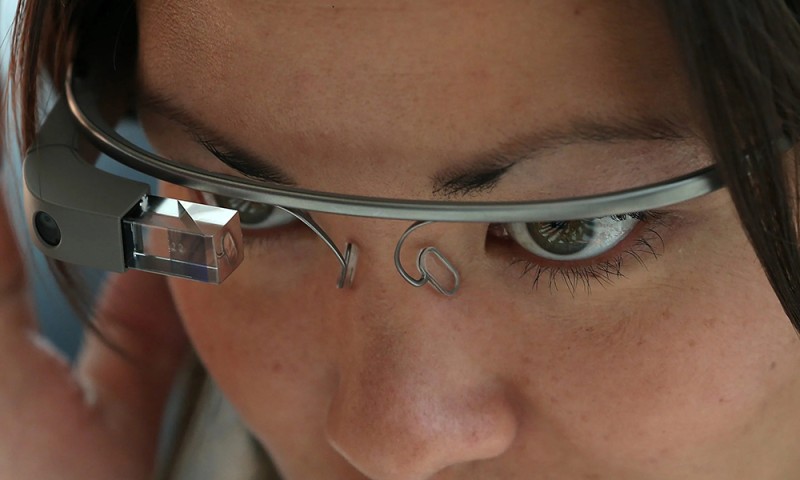
约十二年前,谷歌眼镜(Google Glass)首次亮相,评价两极分化,如今该搜索巨头正式重返智能眼镜赛道,但这一次,它的重点不再是把智能手机“戴”在脸上,而是将Gemini作为核心。这款强大的AI模型在最新升级后广受用户与开发者好评,谷歌希望将这一助手打造成用户日常生活体验的核心。
在本周一举行的“The Android Show: XR Edition”活动上,谷歌确认与潮流眼镜品牌 Gentle Monster、Warby Parker合作开发的首批AI智能眼镜将于2026年上市。此举意味着谷歌将在“面部争夺战”中,与Meta和苹果(Apple)等硅谷竞争对手正面对决。
谷歌介绍了两种不同产品形态。首款产品定位为“无屏助手”眼镜:采用轻量化镜框,取消抬头显示屏,内置扬声器、麦克风与摄像头。谷歌表示,这款眼镜“让用户可通过摄像头和麦克风向Gemini提问有关周围环境的问题”,并“记录重要信息”。简单来说,这是一副能与用户对话的智能眼镜,但没有炫酷的显示功能。
如果用户希望获得视觉反馈,但又不想佩戴类似苹果Vision Pro的笨重头显,谷歌还研发了“显示式AI眼镜”。这类眼镜将在镜片中内置显示屏,通过增强现实技术,让用户在现实场景中看到数字信息。按照谷歌的说法,这款眼镜能“在你需要时,以私密方式显示有用信息,例如导航提示或翻译字幕”。
谷歌在博客中写道:“要让AI与XR(扩展现实)真正发挥作用,硬件必须无缝融入你的日常生活,并符合你的个人风格。我们希望让用户能根据自身需求,在重量、风格与沉浸感之间找到最佳平衡。”
除智能眼镜外,谷歌还宣布了面向更广泛Android XR生态系统的更新,特别针对三星(Samsung)上个月发布的Vision Pro竞品——Galaxy XR头显。一项仍处于测试阶段的新功能“PC Connect”允许用户将头显连接至Windows电脑,支持“将电脑桌面或任意窗口拉入视野,与原生应用并排显示”。苹果的Vision Pro也具备同样的功能,而且是其最出色的功能之一。
谷歌的此次更新还面向商务差旅用户推出了“旅行模式”,可在飞行过程中稳定视觉体验;以及名为“Likeness”的功能,可在视频通话中生成“逼真的数字化面部形象”,实时反映用户的面部表情与手势。这些功能同样在首代Vision Pro中出现,但仍被视为提升生活质量的重要配置。
最后,谷歌预告了“Project Aura”,这是一款与智能眼镜初创公司XREAL合作打造的有线XR眼镜。其视场角达70度,定位于“日常实用场景”,例如“做饭时观看悬浮的菜谱视频,或在维修电器时查看叠加在设备上的可视化分步骤指导”。这款高端头显若成功面世,有望成为最接近Apple Vision Pro的安卓阵营替代产品。(*)
译者:刘进龙
审校:汪皓
约十二年前,谷歌眼镜(Google Glass)首次亮相,评价两极分化,如今该搜索巨头正式重返智能眼镜赛道,但这一次,它的重点不再是把智能手机“戴”在脸上,而是将Gemini作为核心。这款强大的AI模型在最新升级后广受用户与开发者好评,谷歌希望将这一助手打造成用户日常生活体验的核心。
在本周一举行的“The Android Show: XR Edition”活动上,谷歌确认与潮流眼镜品牌 Gentle Monster、Warby Parker合作开发的首批AI智能眼镜将于2026年上市。此举意味着谷歌将在“面部争夺战”中,与Meta和苹果(Apple)等硅谷竞争对手正面对决。
谷歌介绍了两种不同产品形态。首款产品定位为“无屏助手”眼镜:采用轻量化镜框,取消抬头显示屏,内置扬声器、麦克风与摄像头。谷歌表示,这款眼镜“让用户可通过摄像头和麦克风向Gemini提问有关周围环境的问题”,并“记录重要信息”。简单来说,这是一副能与用户对话的智能眼镜,但没有炫酷的显示功能。
如果用户希望获得视觉反馈,但又不想佩戴类似苹果Vision Pro的笨重头显,谷歌还研发了“显示式AI眼镜”。这类眼镜将在镜片中内置显示屏,通过增强现实技术,让用户在现实场景中看到数字信息。按照谷歌的说法,这款眼镜能“在你需要时,以私密方式显示有用信息,例如导航提示或翻译字幕”。
谷歌在博客中写道:“要让AI与XR(扩展现实)真正发挥作用,硬件必须无缝融入你的日常生活,并符合你的个人风格。我们希望让用户能根据自身需求,在重量、风格与沉浸感之间找到最佳平衡。”
除智能眼镜外,谷歌还宣布了面向更广泛Android XR生态系统的更新,特别针对三星(Samsung)上个月发布的Vision Pro竞品——Galaxy XR头显。一项仍处于测试阶段的新功能“PC Connect”允许用户将头显连接至Windows电脑,支持“将电脑桌面或任意窗口拉入视野,与原生应用并排显示”。苹果的Vision Pro也具备同样的功能,而且是其最出色的功能之一。
谷歌的此次更新还面向商务差旅用户推出了“旅行模式”,可在飞行过程中稳定视觉体验;以及名为“Likeness”的功能,可在视频通话中生成“逼真的数字化面部形象”,实时反映用户的面部表情与手势。这些功能同样在首代Vision Pro中出现,但仍被视为提升生活质量的重要配置。
最后,谷歌预告了“Project Aura”,这是一款与智能眼镜初创公司XREAL合作打造的有线XR眼镜。其视场角达70度,定位于“日常实用场景”,例如“做饭时观看悬浮的菜谱视频,或在维修电器时查看叠加在设备上的可视化分步骤指导”。这款高端头显若成功面世,有望成为最接近Apple Vision Pro的安卓阵营替代产品。(*)
译者:刘进龙
审校:汪皓
Roughly a dozen years after the polarizing debut of Google Glass, the search giant is officially getting back into the smart glasses game—but this time, the focus isn’t on putting a smartphone on your face. It’s now all about Gemini, its powerful AI model users and developers have been raving about since the most recent update, and making that assistant the center of your experience as you go about your daily life.
During “The Android Show: XR Edition” event on Monday, Google confirmed its first wave of AI-powered eyewear, developed in partnership with fashion-forward brands Gentle Monster and Warby Parker, is slated for release in 2026. The move pits Google directly against its Silicon Valley rivals, Meta and Apple, in the race to win your face.
Google outlined two different approaches to the smart glasses form factor. The first pair will be “screen-free assistance” glasses: Lightweight frames that ditch heads-up displays in favor of built-in speakers, microphones, and cameras. According to Google, these will “let you use your camera and microphone to ask Gemini questions about your surroundings” and “remember what’s important.” Basically, they’re glasses you can talk to, and that talk back, but don’t do anything fancy with the displays.
For users who want visual feedback without the bulk of an Apple Vision Pro–style headset, Google is also preparing “display AI glasses.” These will feature an in-lens display capable of augmenting reality to allow users to see digital elements in the real world. In the company’s words, this model “privately shows you helpful information, right when you need it, like turn-by-turn navigation or translation captions.”
“For AI and XR [extended reality] to be truly helpful, the hardware needs to fit seamlessly into your life and match your personal style,” Google said in a blog post. “We want to give you the freedom to choose the right balance of weight, style, and immersion for your needs.”
Beyond the glasses, Google announced updates for the broader Android XR ecosystem, specifically for Samsung’s Vision Pro competitor, the Galaxy XR headset, released last month. A new “PC Connect” feature rolling out in beta lets users link their headset to a Windows computer, allowing them to “pull in your desktop or a window from your computer and place it side-by-side with native apps.” This is also something Apple’s Vision Pro can do, and it’s easily one of the headset’s best features.
Google’s new update also targets business travelers with a “travel mode” that stabilizes the visual experience during flights, and a feature called “Likeness,” which generates a “realistic digital representation of your face that mirrors your facial expressions and hand gestures in real-time” for video calls. Again, these are features that shipped with the first Vision Pro, but are wonderful quality-of-life features.
Finally, Google teased “Project Aura,” a set of wired XR glasses the company built with smart-glasses startup XREAL. With a 70-degree field of view, these tethered glasses are designed for “practical everyday uses” like “following a floating recipe video while you cook or seeing step-by-step visual guides anchored to an appliance you are fixing.” Once finished, this high-end headset looks like it might be the closest Android-based equivalent to an Apple Vision Pro.