


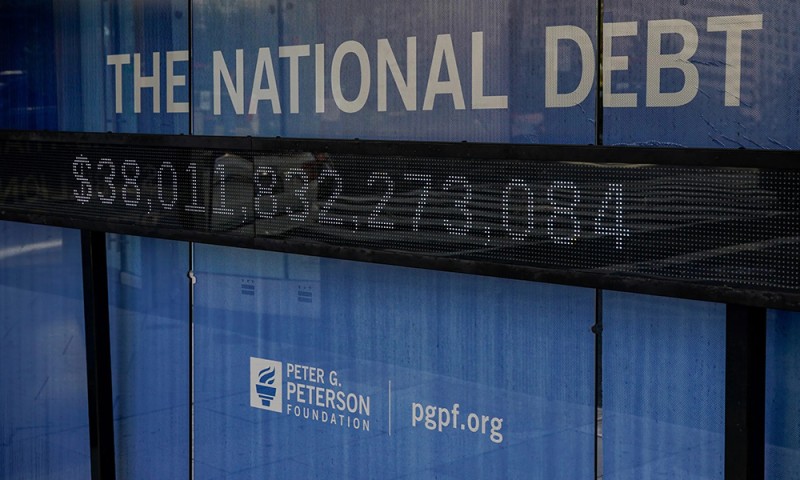
哈佛大学教授、前克林顿总统经济顾问委员会成员杰弗里·弗兰克尔(Jeffrey Frankel)表示,无论通过何种方式,美国债务终将停止不可持续的扩张,但最有可能出现的结果也是最痛苦的结局之一。
美国公众持有的债务已达GDP的99%,预计到2029年将升至107%,打破二战结束后创下的纪录。仅债务利息一项每周就超过110亿美元,占本财年联邦支出的15%。
在上周发表于《报业辛迪加》(Project Syndicate)的一篇评论文章中,弗兰克尔逐一列出了可能的债务解决方案:加速经济增长、降低利率、违约、通胀、金融抑制以及财政紧缩。
他表示,尽管加速增长是最诱人的选择,但由于劳动力萎缩,它无法成为救命稻草。人工智能将提高生产率,但其幅度远不足以遏制美国债务。
弗兰克尔还指出,过去的低利率时代是历史性异常,不会重演;而鉴于市场对国债作为安全资产的疑虑日益加深——尤其是在唐纳德·特朗普总统的“解放日”关税冲击之后——违约也并不可行。
他解释说,依靠通胀来稀释美国债务的实际价值将与违约一样糟糕;而金融抑制则需要联邦政府实质上强制银行以人为压低的收益率购买债券。
弗兰克尔补充道:“只剩下一种可能:严厉的财政紧缩。”
有多严厉?他估计,要使美国债务回归可持续轨道,就需要砍掉几乎全部的国防开支,或几乎全部的非国防可自由支配支出。
弗兰克尔认为,在可预见的未来,民主党不太可能大幅削减其核心项目支出,而共和党则更可能利用任何财政喘息空间推动进一步减税。
他警告说:“最终,在难以预见的未来,紧缩可能是这六种可能结果中最有可能发生的一个。不幸的是,它很可能只有在严重的财政危机之后才会到来。清算之日来得越晚,所需的调整就将越剧烈。”
这一紧缩预测与牛津经济研究院(Oxford Economics)早前的一份报告相呼应,该报告指出,社会保障和医疗保险信托基金预计在2034年耗尽,这将为财政改革提供催化剂。
牛津经济研究院认为,立法者将试图避免因国债需求骤降而导致利率飙升的财政危机。
但这只是在立法者尝试选择政治上更便利的路径之后——即允许社保和医保动用原本用于联邦政府其他部门的常规收入。
牛津经济研究院美国首席经济学家伯纳德·亚罗斯(Bernard Yaros)写道:“然而,这类不利的财政消息可能引发美国债市的负面反应,市场会将其视为在最后几个重大改革政治契机上的屈服。长期债券期限溢价的急剧上升可能迫使国会重新回到改革思维。”(*)
译者:刘进龙
审校:汪皓
哈佛大学教授、前克林顿总统经济顾问委员会成员杰弗里·弗兰克尔(Jeffrey Frankel)表示,无论通过何种方式,美国债务终将停止不可持续的扩张,但最有可能出现的结果也是最痛苦的结局之一。
美国公众持有的债务已达GDP的99%,预计到2029年将升至107%,打破二战结束后创下的纪录。仅债务利息一项每周就超过110亿美元,占本财年联邦支出的15%。
在上周发表于《报业辛迪加》(Project Syndicate)的一篇评论文章中,弗兰克尔逐一列出了可能的债务解决方案:加速经济增长、降低利率、违约、通胀、金融抑制以及财政紧缩。
他表示,尽管加速增长是最诱人的选择,但由于劳动力萎缩,它无法成为救命稻草。人工智能将提高生产率,但其幅度远不足以遏制美国债务。
弗兰克尔还指出,过去的低利率时代是历史性异常,不会重演;而鉴于市场对国债作为安全资产的疑虑日益加深——尤其是在唐纳德·特朗普总统的“解放日”关税冲击之后——违约也并不可行。
他解释说,依靠通胀来稀释美国债务的实际价值将与违约一样糟糕;而金融抑制则需要联邦政府实质上强制银行以人为压低的收益率购买债券。
弗兰克尔补充道:“只剩下一种可能:严厉的财政紧缩。”
有多严厉?他估计,要使美国债务回归可持续轨道,就需要砍掉几乎全部的国防开支,或几乎全部的非国防可自由支配支出。
弗兰克尔认为,在可预见的未来,民主党不太可能大幅削减其核心项目支出,而共和党则更可能利用任何财政喘息空间推动进一步减税。
他警告说:“最终,在难以预见的未来,紧缩可能是这六种可能结果中最有可能发生的一个。不幸的是,它很可能只有在严重的财政危机之后才会到来。清算之日来得越晚,所需的调整就将越剧烈。”
这一紧缩预测与牛津经济研究院(Oxford Economics)早前的一份报告相呼应,该报告指出,社会保障和医疗保险信托基金预计在2034年耗尽,这将为财政改革提供催化剂。
牛津经济研究院认为,立法者将试图避免因国债需求骤降而导致利率飙升的财政危机。
但这只是在立法者尝试选择政治上更便利的路径之后——即允许社保和医保动用原本用于联邦政府其他部门的常规收入。
牛津经济研究院美国首席经济学家伯纳德·亚罗斯(Bernard Yaros)写道:“然而,这类不利的财政消息可能引发美国债市的负面反应,市场会将其视为在最后几个重大改革政治契机上的屈服。长期债券期限溢价的急剧上升可能迫使国会重新回到改革思维。”(*)
译者:刘进龙
审校:汪皓
One way or another, U.S. debt will stop expanding unsustainably, but the most likely outcome is also among the most painful, according to Jeffrey Frankel, a Harvard professor and former member of President Bill Clinton's Council of Economic Advisers.
Publicly held debt is already at 99% of GDP and is on track to hit 107% by 2029, breaking the record set after the end of World War II. Debt service alone is more than $11 billion a week, or 15% of federal spending in the current fiscal year.
In a Project Syndicate op-ed last week, Frankel went down the list of possible debt solutions: faster economic growth, lower interest rates, default, inflation, financial repression, and fiscal austerity.
While faster growth is the most appealing option, it's not coming to the rescue due to the shrinking labor force, he said. AI will boost productivity, but not as much as would be needed to rein in U.S. debt.
Frankel also said the previous era of low rates was a historic anomaly that's not coming back, and default isn't plausible given already-growing doubts about Treasury bonds as a safe asset, especially after President Donald Trump's "Liberation Day" tariff shocker.
Relying on inflation to shrink the real value of U.S. debt would be just as bad as a default, and financial repression would require the federal government to essentially force banks to buy bonds with artificially low yields, he explained.
"There is one possibility left: severe fiscal austerity," Frankel added.
How severe? A sustainable U.S. debt trajectory would entail elimination of nearly all defense spending or almost all non-defense discretionary outlays, he estimated.
For the foreseeable future, Democrats are unlikely to slash top programs, while Republicans are likely to use any fiscal breathing room to push for more tax cuts, Frankel said.
"Eventually, in the unforeseeable future, austerity may be the most likely of the six possible outcomes," he warned. "Unfortunately, it will probably come only after a severe fiscal crisis. The longer it takes for that reckoning to arrive, the more radical the adjustment will need to be."
The austerity forecast echoes an earlier note from Oxford Economics, which said the expected insolvency of the Social Security and Medicare trust funds by 2034 will serve as a catalyst for fiscal reform.
In Oxford's view, lawmakers will seek to prevent a fiscal crisis in the form of a precipitous drop in demand for Treasury bonds, sending rates soaring.
But that's only after lawmakers try to take the more politically expedient path by allowing Social Security and Medicare to tap general revenue that funds other parts of the federal government.
"However, unfavorable fiscal news of this sort could trigger a negative reaction in the US bond market, which would view this as a capitulation on one of the last major political openings for reforms," Bernard Yaros, lead U.S. economist at Oxford Economics, wrote. "A sharp upward repricing of the term premium for longer-dated bonds could force Congress back into a reform mindset."