

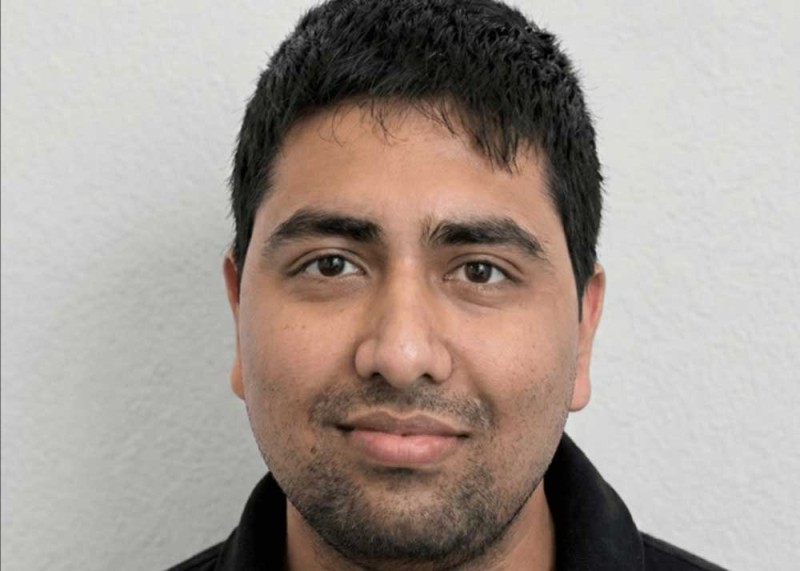
苹果已任命阿马尔·苏布拉马尼亚(此前曾是谷歌和微软的资深员工)执掌其至关重要的人工智能业务。这是自去年推出Apple Intelligence以来,该公司最重要的领导层变动之一。这位资深研究员将出任人工智能副总裁,接替自2018年起担任苹果人工智能主管的约翰·詹南德雷亚(John Giannandrea),后者将于2026年春季卸任退休。
苹果在官方声明中表示,苏布拉马尼亚将向软件部门负责人克雷格·费德里吉(Craig Federighi)汇报工作,负责“苹果基础模型、机器学习研究以及人工智能安全与评估”工作,成为支撑iPhone、Mac、iPad及苹果各项服务未来人工智能功能的核心技术负责人。原由詹南德雷亚承担的职责,将由首席运营官萨比赫·汗(Sabih Khan)与服务部门主管艾迪·库(Eddy Cue)共同分担。
苏布拉马尼亚拥有逾二十年从业经验,其教育背景与职业生涯始终聚焦机器学习与大规模人工智能系统,并在硅谷多家科技巨头积累了实践经验。在加入苹果前数月,苏布拉马尼亚于7月加入微软,担任人工智能企业副总裁,负责研发支撑微软Copilot(微软生产力工具及企业服务的人工智能助手层)等产品的基础模型。此前他在谷歌任职长达16年,最终升任Gemini(谷歌人工智能助手及旗舰生成式人工智能产品)工程主管,该产品目前广受欢迎。
在谷歌任职期间,苏布拉马尼亚从研究科学家逐步晋升为首席工程师、工程副总裁,带领团队打通了“机器学习研究成果”与“大规模消费级产品”的转化链路。据多家媒体报道,他还曾与谷歌旗下人工智能研究机构DeepMind展开合作,在模型训练与部署等前沿领域有着深厚技术积淀。
与众多硅谷精英一样,苏布拉马尼亚拥有印度与美国双重背景。他于2001年获得班加罗尔大学(Bangalore University)电子通信工程学士学位,2009年在华盛顿大学(University of Washington)取得计算机科学博士学位,专攻半监督学习与图模型——这类方法能在标注数据稀缺的情况下,实现人工智能系统高效训练。2007年,他获得微软研究院研究生奖学金,后与研究员帕尔塔·普拉蒂姆·塔卢克达尔(Partha Pratim Talukdar)合著《基于图的半监督学习》(Graph-Based Semi-Supervised Learning)一书,并发表多篇关于自然语言处理、实体解析及语音技术的学术论文。
苹果此次人事调整,正值该公司因在生成式人工智能功能部署方面落后于谷歌、微软等竞争对手,以及OpenAI、Anthropic等新兴人工智能企业,而持续受到质疑之际,其语音助手和系统级人工智能工具更是遭受了诸多尖锐批评。苹果虽曾凭借Siri成为最早推出主流语音助手的厂商之一,但此后已逐渐失去先发优势。竞争对手纷纷加快模型实用性优化,将人工智能助手嵌入工作流,而苹果则采取更为谨慎的策略,在推出Apple Intelligence的同时,始终强调端侧本地化处理与隐私保护。
詹南德雷亚曾担任谷歌人工智能与搜索业务主管,2018年加盟苹果后,他组建团队搭建了苹果当前的人工智能基础设施,包括自研基础模型、搜索及知识系统。他将以顾问身份留任至2026年春季退休,为苏布拉马尼亚的接任提供过渡期支持。
首席执行官蒂姆·库克(Tim Cook)表示,此次人事交接既是对詹南德雷亚过往贡献的致谢,也是苹果开启人工智能新征程的重要契机。
库克在官方声明中表示:“我们衷心感谢约翰在构建和推进人工智能工作中发挥的作用,他助力苹果持续创新,并丰富用户生活。人工智能始终是苹果战略的核心,我们非常欢迎阿马尔加入克雷格的领导团队,相信他卓越的人工智能专业能力将为苹果注入新活力。” (*)
译者:中慧言-王芳
苹果已任命阿马尔·苏布拉马尼亚(此前曾是谷歌和微软的资深员工)执掌其至关重要的人工智能业务。这是自去年推出Apple Intelligence以来,该公司最重要的领导层变动之一。这位资深研究员将出任人工智能副总裁,接替自2018年起担任苹果人工智能主管的约翰·詹南德雷亚(John Giannandrea),后者将于2026年春季卸任退休。
苹果在官方声明中表示,苏布拉马尼亚将向软件部门负责人克雷格·费德里吉(Craig Federighi)汇报工作,负责“苹果基础模型、机器学习研究以及人工智能安全与评估”工作,成为支撑iPhone、Mac、iPad及苹果各项服务未来人工智能功能的核心技术负责人。原由詹南德雷亚承担的职责,将由首席运营官萨比赫·汗(Sabih Khan)与服务部门主管艾迪·库(Eddy Cue)共同分担。
苏布拉马尼亚拥有逾二十年从业经验,其教育背景与职业生涯始终聚焦机器学习与大规模人工智能系统,并在硅谷多家科技巨头积累了实践经验。在加入苹果前数月,苏布拉马尼亚于7月加入微软,担任人工智能企业副总裁,负责研发支撑微软Copilot(微软生产力工具及企业服务的人工智能助手层)等产品的基础模型。此前他在谷歌任职长达16年,最终升任Gemini(谷歌人工智能助手及旗舰生成式人工智能产品)工程主管,该产品目前广受欢迎。
在谷歌任职期间,苏布拉马尼亚从研究科学家逐步晋升为首席工程师、工程副总裁,带领团队打通了“机器学习研究成果”与“大规模消费级产品”的转化链路。据多家媒体报道,他还曾与谷歌旗下人工智能研究机构DeepMind展开合作,在模型训练与部署等前沿领域有着深厚技术积淀。
与众多硅谷精英一样,苏布拉马尼亚拥有印度与美国双重背景。他于2001年获得班加罗尔大学(Bangalore University)电子通信工程学士学位,2009年在华盛顿大学(University of Washington)取得计算机科学博士学位,专攻半监督学习与图模型——这类方法能在标注数据稀缺的情况下,实现人工智能系统高效训练。2007年,他获得微软研究院研究生奖学金,后与研究员帕尔塔·普拉蒂姆·塔卢克达尔(Partha Pratim Talukdar)合著《基于图的半监督学习》(Graph-Based Semi-Supervised Learning)一书,并发表多篇关于自然语言处理、实体解析及语音技术的学术论文。
苹果此次人事调整,正值该公司因在生成式人工智能功能部署方面落后于谷歌、微软等竞争对手,以及OpenAI、Anthropic等新兴人工智能企业,而持续受到质疑之际,其语音助手和系统级人工智能工具更是遭受了诸多尖锐批评。苹果虽曾凭借Siri成为最早推出主流语音助手的厂商之一,但此后已逐渐失去先发优势。竞争对手纷纷加快模型实用性优化,将人工智能助手嵌入工作流,而苹果则采取更为谨慎的策略,在推出Apple Intelligence的同时,始终强调端侧本地化处理与隐私保护。
詹南德雷亚曾担任谷歌人工智能与搜索业务主管,2018年加盟苹果后,他组建团队搭建了苹果当前的人工智能基础设施,包括自研基础模型、搜索及知识系统。他将以顾问身份留任至2026年春季退休,为苏布拉马尼亚的接任提供过渡期支持。
首席执行官蒂姆·库克(Tim Cook)表示,此次人事交接既是对詹南德雷亚过往贡献的致谢,也是苹果开启人工智能新征程的重要契机。
库克在官方声明中表示:“我们衷心感谢约翰在构建和推进人工智能工作中发挥的作用,他助力苹果持续创新,并丰富用户生活。人工智能始终是苹果战略的核心,我们非常欢迎阿马尔加入克雷格的领导团队,相信他卓越的人工智能专业能力将为苹果注入新活力。” (*)
译者:中慧言-王芳
Apple is handing the keys to its all-important AI strategy to Amar Subramanya, a veteran of both Google and Microsoft, in one of the company’s most consequential leadership changes since it launched Apple Intelligence last year. The longtime researcher has been appointed vice president of AI, succeeding John Giannandrea, who will step down from his role and retire in spring 2026 after serving as Apple’s AI chief since 2018.
In a company announcement, Apple said Subramanya will report to software chief Craig Federighi and take charge of “Apple Foundation Models, ML research, and AI Safety and Evaluation,” placing him at the center of the tech underpinning future AI features across the iPhone, Mac, iPad, and Apple’s various services. Responsibilities previously overseen by Giannandrea will be redistributed under COO Sabih Khan and Eddy Cue, who runs Apple’s services division.
Subramanya comes to Apple with a résumé spanning more than two decades, having spent his education and career dedicated to machine learning and large-scale AI systems, and applying that knowledge at some of the biggest companies across Silicon Valley. Just a few months before jumping to Apple, Subramanya joined Microsoft in July to become its corporate vice president of AI, where he worked on foundation models powering products like Microsoft Copilot, the company’s AI assistant layer for productivity tools and enterprise services. He took that role after spending 16 years at Google, eventually becoming head of engineering for Gemini, Google’s AI assistant and flagship generative AI product, which is now having a moment.
At Google, Subramanya’s path ran from staff research scientist to principal engineer, and then vice president of engineering, leading teams that linked machine-learning research to large-scale consumer products. He also worked with DeepMind, Google’s AI research unit, deepening his ties to cutting-edge work in model training and deployment, according to multiple outlets.
Like many in Silicon Valley, Subramanya has roots in both India and the U.S. He earned a bachelor‘s degree in electronics and communications engineering from Bangalore University in 2001, then completed a PhD in computer science at the University of Washington in 2009, specializing in semi-supervised learning and graphical models—methods for training AI systems efficiently when labeled data is scarce. He was awarded a Microsoft Research Graduate Fellowship in 2007, and later coauthored the book Graph-Based Semi-Supervised Learning with researcher Partha Pratim Talukdar, adding to a portfolio of papers on natural language processing, entity resolution, and speech technologies.
Apple’s move comes as the company faces persistent scrutiny for trailing rivals like Google and Microsoft—as well as AI upstarts like OpenAI and Anthropic—in rolling out generative AI features, and has been on the receiving end of some particularly rough criticism around voice assistants and system-wide AI tools. Apple, of course, was one of the first to make a mainstream voice assistant in Siri, but has since lost that early lead. Competitors have been faster to improve their models for usefulness and embed their own AI copilots and assistants into workflows, while Apple has moved more cautiously, emphasizing on-device processing and privacy alongside its Apple Intelligence rollout.
Giannandrea, a former Google AI and search chief who joined Apple in 2018, built the team that developed Apple’s current AI infrastructure, including its own foundation models and search and knowledge systems. He will remain as an advisor until he retires sometime in spring 2026, giving Apple a transition period as Subramanya steps in.
CEO Tim Cook framed the handoff as both a thank-you and a reset for Apple’s AI ambitions.
“We are thankful for the role John played in building and advancing our AI work, helping Apple continue to innovate and enrich the lives of our users,” he said in the company’s announcement. “AI has long been central to Apple’s strategy, and we are pleased to welcome Amar to Craig’s leadership team and to bring his extraordinary AI expertise to Apple.”