


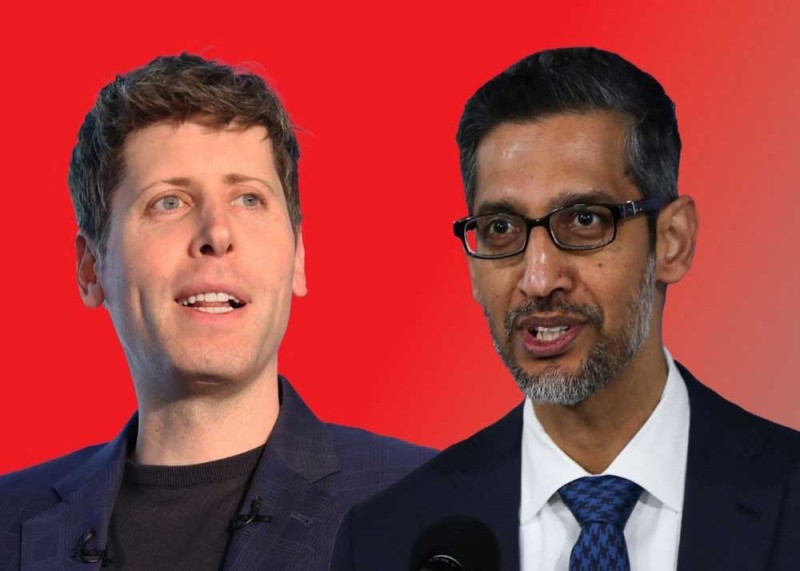
三年前,谷歌因ChatGPT拉响“红色警报”,其首席执行官桑达尔·皮查伊警告称,它可能威胁搜索业务的未来。如今,萨姆·奥尔特曼自己也拉响了警报——这一次是因为谷歌Gemini 3的回归,以及OpenAI与Anthropic、Meta等对手之间日益激烈的尖端AI模型竞赛。
据科技新闻网站The Information报道,萨姆·奥尔特曼在昨日发给员工的内部备忘录中表示,随着来自谷歌及其他AI竞争对手的压力加剧,他宣布进入“红色警报”状态,以调集更多资源改进ChatGPT。他表示,作为此次调整的一部分,OpenAI将推迟其他计划,包括其广告计划。报道称,奥尔特曼写道:“ChatGPT正处于一个关键时刻。”
两周前,谷歌发布了其最新模型Gemini 3,在发布首日便大范围接入了谷歌拥有数十亿用户的庞大生态系统,其中包括其称为有史以来最快的谷歌搜索部署。
Gemini 3这次自信而广泛的发布,与2022年11月30日ChatGPT发布后谷歌所处的境地截然不同。在今年9月Salesforce的Dreamforce活动上接受采访时,皮查伊承认,OpenAI在发布聊天机器人方面抢在了谷歌前面。
皮查伊说:“我们知道,在另一种情况下,我们可能会在几个月后才推出我们的聊天机器人。我们当时还没有把它做到可以发布、并且人们能接受谷歌推出那个产品的水平。那时候它还存在很多问题。”
这些问题在谷歌于2023年12月试探性推出首个Gemini模型后依然存在——随后,该公司因其“觉醒”倾向的输出以及不符合史实或不准确的图像和文本而面临强烈反弹,最终承认“未达预期”。其由Gemini驱动的搜索AI概览功能也引发了一场网络风暴,因为该系统曾 famously 告诉用户吃胶水和石头。
但今年,Gemini 3在多模态推理、数学和代码方面强劲的基准测试结果为其赢得了信誉和势头,新数据显示Gemini在10月份月活用户增长至6.5亿,也起到了同样作用。
与此同时,奥尔特曼并非不知情:在上周发送的内部备忘录中,他警告员工注意“暂时的经济逆风”,并预测谷歌的再度崛起将带来“艰难的氛围”。
形势无疑已经逆转。在2022年底ChatGPT发布之前,谷歌被普遍认为是全球AI研究的领导者,该公司做出了许多使现代生成式AI成为可能的突破。
例如,谷歌研究人员在里程碑论文《注意力就是全部》中发明了Transformer架构,该架构是每一个现代大语言模型的基础。谷歌还在2019年推出了BERT,该模型在数年内都是最先进的语言模型。
还有DeepMind,这家位于伦敦的AI研究实验室由德米斯·哈萨比斯(Demis Hassabis)等人于2010年联合创立,并于2014年1月被谷歌以大约5亿美元收购。早在ChatGPT出现之前,DeepMind就登上了全球新闻头条:其AlphaGo程序在古老的围棋比赛中击败了世界冠军;其AlphaZero系统在数小时内自学了国际象棋和其他复杂游戏;其AlphaFold项目破解了一个关于蛋白质如何折叠的、困扰科学界50年的难题。
接着便是现在所谓的“ChatGPT时刻”——那一刻,AI的重心显然已经转移。几乎一夜之间,谷歌发现自己需要保卫地盘并奋力追赶。
如今,角色再次逆转。在AI竞赛中,需要保卫地盘的是OpenAI。诚然,ChatGPT的用户数量远高于Gemini:OpenAI报告有8亿周活跃用户。并且对许多用户来说,ChatGPT就是AI的代名词。
尽管如此,随着谷歌的Gemini取得进展,OpenAI也无法放慢脚步。它在持续消耗资金的同时,指望能够再筹集1000亿美元,并且还需要继续增加订阅收入以满足投资者。(它预测今年来自ChatGPT的收入将接近100亿美元。)
尽管数十名OpenAI顶级研究人员已经离开,加入了前OpenAI首席技术官米拉·穆拉蒂(Mira Murati)的Thinking Machines,以及由前Scale AI首席执行官亚历山德·王(Alexandr Wang)领导的Meta新超级智能实验室,OpenAI仍必须继续改进ChatGPT。
奥尔特曼的“红色警报”备忘录称,OpenAI将于下周发布一款新的推理模型,该模型在内部评估中优于谷歌的Gemini 3。即便如此,他承认公司仍需对ChatGPT的体验进行重大改进。
早在2022年,谷歌的“红色警报”意味着团队很可能在假期里争分夺秒地应对ChatGPT。今年,奥尔特曼的备忘录暗示,OpenAI的员工可能是那些需要取消冬季计划的人。(*)
译者:刘进龙
审校:汪皓
三年前,谷歌因ChatGPT拉响“红色警报”,其首席执行官桑达尔·皮查伊警告称,它可能威胁搜索业务的未来。如今,萨姆·奥尔特曼自己也拉响了警报——这一次是因为谷歌Gemini 3的回归,以及OpenAI与Anthropic、Meta等对手之间日益激烈的尖端AI模型竞赛。
据科技新闻网站The Information报道,萨姆·奥尔特曼在昨日发给员工的内部备忘录中表示,随着来自谷歌及其他AI竞争对手的压力加剧,他宣布进入“红色警报”状态,以调集更多资源改进ChatGPT。他表示,作为此次调整的一部分,OpenAI将推迟其他计划,包括其广告计划。报道称,奥尔特曼写道:“ChatGPT正处于一个关键时刻。”
两周前,谷歌发布了其最新模型Gemini 3,在发布首日便大范围接入了谷歌拥有数十亿用户的庞大生态系统,其中包括其称为有史以来最快的谷歌搜索部署。
Gemini 3这次自信而广泛的发布,与2022年11月30日ChatGPT发布后谷歌所处的境地截然不同。在今年9月Salesforce的Dreamforce活动上接受采访时,皮查伊承认,OpenAI在发布聊天机器人方面抢在了谷歌前面。
皮查伊说:“我们知道,在另一种情况下,我们可能会在几个月后才推出我们的聊天机器人。我们当时还没有把它做到可以发布、并且人们能接受谷歌推出那个产品的水平。那时候它还存在很多问题。”
这些问题在谷歌于2023年12月试探性推出首个Gemini模型后依然存在——随后,该公司因其“觉醒”倾向的输出以及不符合史实或不准确的图像和文本而面临强烈反弹,最终承认“未达预期”。其由Gemini驱动的搜索AI概览功能也引发了一场网络风暴,因为该系统曾 famously 告诉用户吃胶水和石头。
但今年,Gemini 3在多模态推理、数学和代码方面强劲的基准测试结果为其赢得了信誉和势头,新数据显示Gemini在10月份月活用户增长至6.5亿,也起到了同样作用。
与此同时,奥尔特曼并非不知情:在上周发送的内部备忘录中,他警告员工注意“暂时的经济逆风”,并预测谷歌的再度崛起将带来“艰难的氛围”。
形势无疑已经逆转。在2022年底ChatGPT发布之前,谷歌被普遍认为是全球AI研究的领导者,该公司做出了许多使现代生成式AI成为可能的突破。
例如,谷歌研究人员在里程碑论文《注意力就是全部》中发明了Transformer架构,该架构是每一个现代大语言模型的基础。谷歌还在2019年推出了BERT,该模型在数年内都是最先进的语言模型。
还有DeepMind,这家位于伦敦的AI研究实验室由德米斯·哈萨比斯(Demis Hassabis)等人于2010年联合创立,并于2014年1月被谷歌以大约5亿美元收购。早在ChatGPT出现之前,DeepMind就登上了全球新闻头条:其AlphaGo程序在古老的围棋比赛中击败了世界冠军;其AlphaZero系统在数小时内自学了国际象棋和其他复杂游戏;其AlphaFold项目破解了一个关于蛋白质如何折叠的、困扰科学界50年的难题。
接着便是现在所谓的“ChatGPT时刻”——那一刻,AI的重心显然已经转移。几乎一夜之间,谷歌发现自己需要保卫地盘并奋力追赶。
如今,角色再次逆转。在AI竞赛中,需要保卫地盘的是OpenAI。诚然,ChatGPT的用户数量远高于Gemini:OpenAI报告有8亿周活跃用户。并且对许多用户来说,ChatGPT就是AI的代名词。
尽管如此,随着谷歌的Gemini取得进展,OpenAI也无法放慢脚步。它在持续消耗资金的同时,指望能够再筹集1000亿美元,并且还需要继续增加订阅收入以满足投资者。(它预测今年来自ChatGPT的收入将接近100亿美元。)
尽管数十名OpenAI顶级研究人员已经离开,加入了前OpenAI首席技术官米拉·穆拉蒂(Mira Murati)的Thinking Machines,以及由前Scale AI首席执行官亚历山德·王(Alexandr Wang)领导的Meta新超级智能实验室,OpenAI仍必须继续改进ChatGPT。
奥尔特曼的“红色警报”备忘录称,OpenAI将于下周发布一款新的推理模型,该模型在内部评估中优于谷歌的Gemini 3。即便如此,他承认公司仍需对ChatGPT的体验进行重大改进。
早在2022年,谷歌的“红色警报”意味着团队很可能在假期里争分夺秒地应对ChatGPT。今年,奥尔特曼的备忘录暗示,OpenAI的员工可能是那些需要取消冬季计划的人。(*)
译者:刘进龙
审校:汪皓
Three years ago, Google sounded a "Code Red" over ChatGPT, with CEO Sundar Pichai warning it could threaten the future of Search. Now Sam Altman is sounding an alarm of his own---this time over Google's Gemini 3 comeback and an increasingly fierce frontier AI model race with OpenAI's rivals, including Anthropic and Meta.
In an internal memo to employees yesterday, Sam Altman said he was declaring a "Code Red" to marshal more resources toward improving ChatGPT as competitive pressure from Google and other AI rivals intensifies, according to tech news site The Information. As part of the shift, he said, OpenAI will delay other initiatives, including its advertising plans. "We are at a critical time for ChatGPT," Altman wrote, according to the report.
Two weeks ago, Google released its latest model, Gemini 3, in a sweeping day-one rollout across a large swath of Google's ecosystem with its billions of users, including what it said was its fastest-ever deployment into Google Search.
The confident, widespread release of Gemini 3 was a long way from where Google was after the release of ChatGPT on Nov. 30, 2022. In an interview at Salesforce's Dreamforce event this September, Pichai admitted that OpenAI had beaten Google to releasing a chatbot.
"We knew in a different world, we would've probably launched our chatbot maybe a few months down the line," Pichai said. "We hadn't quite gotten it to a level where you could put it out and people would've been okay with Google putting out that product. It still had a lot of issues at that time."
Those issues remained after Google's tentative debut of the first Gemini model in December 2023---after which the company faced intense backlash over "woke" outputs and ahistorical or inaccurate images and text, ultimately admitting it had "missed the mark." Its Gemini-powered AI Overviews in Search also triggered an online furor after the system famously told users to eat glue and rocks.
But this year, Gemini 3's strong benchmark results on multimodal reasoning, math, and code gave it credibility and momentum, as did new data that showed Gemini grew to 650 million monthly users in October.
Altman, meanwhile, has not been living under a rock: In an internal memo sent last week, he warned staff about "temporary economic headwinds" and forecast "rough vibes" caused by Google's renewed surge.
The tides have certainly turned. Before ChatGPT's release in late 2022, Google was broadly considered the global leader in AI research, and the company produced many of the breakthroughs that made modern generative AI possible.
For example, Google researchers invented the transformer architecture in the landmark paper "Attention Is All You Need," which underpins every modern large language model. Google also introduced BERT in 2019, which for several years was the state-of-the-art language model.
And then there was DeepMind, a London-based AI research lab cofounded in 2010 by Demis Hassabis, and acquired by Google for roughly $500 million in January 2014. Long before ChatGPT, DeepMind made global headlines: Its AlphaGo program beat the world champion at the ancient game of Go; its AlphaZero system taught itself chess and other complex games in hours; and its AlphaFold project cracked a 50-year-old scientific puzzle about how proteins fold.
Then came what is now known as the "ChatGPT moment"---the instant it became clear the center of gravity in AI had shifted. Practically overnight, Google found itself defending its turf and racing to catch up.
Now the roles have reversed once again. It is OpenAI that is defending its turf in the AI race. To be sure, ChatGPT's user numbers are far higher than Gemini's: OpenAI reports 800 million weekly active users. And to many users, ChatGPT is synonymous with AI.
Still, as Google's Gemini gains ground, OpenAI cannot afford to slow down. It is counting on being able to raise an additional $100 billion as it burns through cash, and it also needs to continue growing its revenue from subscriptions to satisfy investors. (It predicted nearly $10 billion in revenue from ChatGPT this year.)
It also must continue to improve ChatGPT even though dozens of top OpenAI researchers have decamped for former OpenAI CTO Mira Murati's Thinking Machines and for Meta's new Superintelligence Labs helmed by former Scale AI CEO Alexandr Wang.
Altman's "Code Red" memo said OpenAI will release a new reasoning model next week that beats Google's Gemini 3 in internal evaluations. Even so, he acknowledged the company still needs to make major improvements to the ChatGPT experience.
Back in 2022, Google's "Code Red" meant teams likely spent their holidays racing to respond to ChatGPT. This year, Altman's memo hints that OpenAI staffers may be the ones canceling their winter plans.