


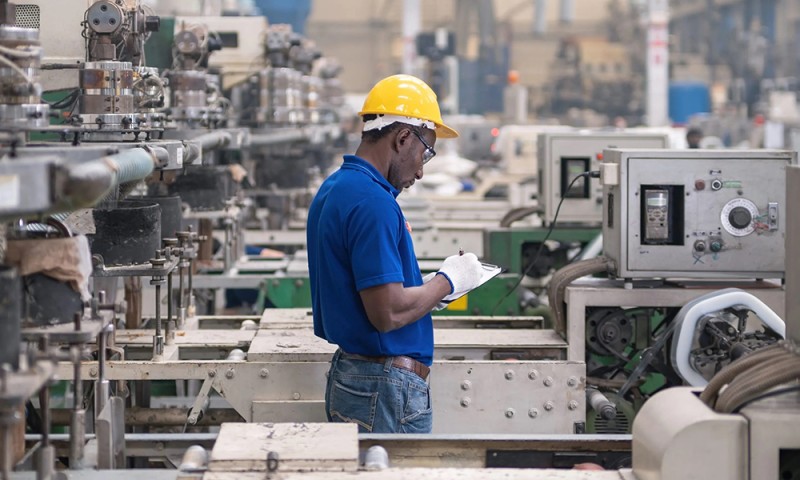
Z世代正逐步放弃“上大学、进企业”的传统路径,转而选择职业技术学校和蓝领工作。他们穿上工装,成为电工、水管工、木匠,赚取六位数的年薪——然而,对于一个蓬勃发展的行业,他们却依然不屑一顾。
根据德勤(Deloitte)与制造业协会(Manufacturing Institute)去年的研究,制造业是美国增长最迅猛的行业之一,预计到2033年将新增380万个岗位。
然而,其中半数岗位预计将招不到人。索特分析公司(Soter Analytics)的另一项独立研究显示,只有14%的Z世代表示会考虑将工业领域的工作作为职业。
照理说,Z世代应该对无需大学学历的制造业岗位表现出明显兴趣——毕竟,他们已经在放弃舒适的有空调的办公室,转向蓝领职业了。但他们却选择对这一行业敬而远之。
根据索特分析公司的研究,这可能是因为四分之一的Z世代认为该行业缺乏灵活性且不安全——而这两点正是Z世代不容妥协的底线,他们看重混合办公模式,也希望在工作中得到关怀。
Z世代想要蓝领工作——只是不想在工厂车间里
劳动力中最年轻的一代正将“办公室精致装扮”换成安全帽和荧光背心。但他们并不会争先恐后地去填补工厂车间里的空缺职位。
去年,以职业培训为主的社区大学入学人数激增16%,达到全国学生信息交换中心(National Student Clearinghouse)自2018年开始追踪该数据以来的最高水平。2022年至2023年间,学习建筑行业的Z世代人数也猛增了23%,参与暖通空调和汽车维修课程的人数则增长了7%。78%的美国人注意到,年轻人对技术工种越来越感兴趣。
这些蓝领职业让Z世代可以自己做老板、更灵活地安排工作时间,同时还能赚取六位数年薪。这类工作需求旺盛,且不需要花费高昂的大学学位——后者常常让许多年轻人深陷债务。
但工厂工作面临着一些让Z世代完全提不起兴趣的问题。
的确,制造业曾经被宣传为稳定的职业——有养老金保障,在美国工业化社会里机会众多。但如今,做水管工甚至服务员,都比在流水线上当一颗运转的齿轮,能提供更好的收入机会(也更充满活力)。
美国制造业岗位平均时薪约为25美元,折合年薪约51,890美元——远低于2024年美国约69,850美元的平均年薪水平。
该行业薪资停滞不前的一个原因,可能归咎于企业对工厂工会的压制。工人争取更高薪资的议价能力已大不如前,而这些高薪曾经是吸引人们从事这些岗位的关键。
Z世代也不愿被禁锢在“枯燥”的工厂车间里,他们可能会觉得调酒或疏通下水道这类薪水更高的工作更有意思。
Z世代并非个例——但岗位缺口总得有人填补
美国急需更多的装配工人和机器操作员,美国人也认识到了这一需求,80%的人认为,如果有更多美国工人进入制造业,国家会发展得更好。
但说起来容易做起来难——实际上很少有人愿意亲自去做。卡托研究所(CATO Institute)2024年的同一项民调发现,只有25%的美国人认为在工厂工作能让他们过得更好。
“除了贸易因素和人们受教育程度普遍提高的事实,你还要面对这些巨大的技术变革。”加州大学圣地亚哥分校全球政策与战略学院的经济学家凯尔·汉德利(Kyle Handley)告诉《商业内幕》(Business Insider)。
“国家越来越富裕,服务业又出现了其他类型的工作,人们自然被吸引过去了。”
随着特朗普的政策对该行业的劳动力供给造成严重破坏,这个曾经蓬勃发展的行业正受到前所未有的密切关注。
美国制造业长期以来依赖移民工人来承担本土出生公民不愿做的工作。德勤的研究发现,近年来移民数量下降已经导致劳动力供应紧张。特朗普政府对移民的严厉打击和驱逐行动可能会进一步拖累该行业。
如今,随着美国劳动力市场准备迎接一场重大变革——婴儿潮一代退休离场,这一问题正达到沸点。(*)
译者:中慧言-王芳
Z世代正逐步放弃“上大学、进企业”的传统路径,转而选择职业技术学校和蓝领工作。他们穿上工装,成为电工、水管工、木匠,赚取六位数的年薪——然而,对于一个蓬勃发展的行业,他们却依然不屑一顾。
根据德勤(Deloitte)与制造业协会(Manufacturing Institute)去年的研究,制造业是美国增长最迅猛的行业之一,预计到2033年将新增380万个岗位。
然而,其中半数岗位预计将招不到人。索特分析公司(Soter Analytics)的另一项独立研究显示,只有14%的Z世代表示会考虑将工业领域的工作作为职业。
照理说,Z世代应该对无需大学学历的制造业岗位表现出明显兴趣——毕竟,他们已经在放弃舒适的有空调的办公室,转向蓝领职业了。但他们却选择对这一行业敬而远之。
根据索特分析公司的研究,这可能是因为四分之一的Z世代认为该行业缺乏灵活性且不安全——而这两点正是Z世代不容妥协的底线,他们看重混合办公模式,也希望在工作中得到关怀。
Z世代想要蓝领工作——只是不想在工厂车间里
劳动力中最年轻的一代正将“办公室精致装扮”换成安全帽和荧光背心。但他们并不会争先恐后地去填补工厂车间里的空缺职位。
去年,以职业培训为主的社区大学入学人数激增16%,达到全国学生信息交换中心(National Student Clearinghouse)自2018年开始追踪该数据以来的最高水平。2022年至2023年间,学习建筑行业的Z世代人数也猛增了23%,参与暖通空调和汽车维修课程的人数则增长了7%。78%的美国人注意到,年轻人对技术工种越来越感兴趣。
这些蓝领职业让Z世代可以自己做老板、更灵活地安排工作时间,同时还能赚取六位数年薪。这类工作需求旺盛,且不需要花费高昂的大学学位——后者常常让许多年轻人深陷债务。
但工厂工作面临着一些让Z世代完全提不起兴趣的问题。
的确,制造业曾经被宣传为稳定的职业——有养老金保障,在美国工业化社会里机会众多。但如今,做水管工甚至服务员,都比在流水线上当一颗运转的齿轮,能提供更好的收入机会(也更充满活力)。
美国制造业岗位平均时薪约为25美元,折合年薪约51,890美元——远低于2024年美国约69,850美元的平均年薪水平。
该行业薪资停滞不前的一个原因,可能归咎于企业对工厂工会的压制。工人争取更高薪资的议价能力已大不如前,而这些高薪曾经是吸引人们从事这些岗位的关键。
Z世代也不愿被禁锢在“枯燥”的工厂车间里,他们可能会觉得调酒或疏通下水道这类薪水更高的工作更有意思。
Z世代并非个例——但岗位缺口总得有人填补
美国急需更多的装配工人和机器操作员,美国人也认识到了这一需求,80%的人认为,如果有更多美国工人进入制造业,国家会发展得更好。
但说起来容易做起来难——实际上很少有人愿意亲自去做。卡托研究所(CATO Institute)2024年的同一项民调发现,只有25%的美国人认为在工厂工作能让他们过得更好。
“除了贸易因素和人们受教育程度普遍提高的事实,你还要面对这些巨大的技术变革。”加州大学圣地亚哥分校全球政策与战略学院的经济学家凯尔·汉德利(Kyle Handley)告诉《商业内幕》(Business Insider)。
“国家越来越富裕,服务业又出现了其他类型的工作,人们自然被吸引过去了。”
随着特朗普的政策对该行业的劳动力供给造成严重破坏,这个曾经蓬勃发展的行业正受到前所未有的密切关注。
美国制造业长期以来依赖移民工人来承担本土出生公民不愿做的工作。德勤的研究发现,近年来移民数量下降已经导致劳动力供应紧张。特朗普政府对移民的严厉打击和驱逐行动可能会进一步拖累该行业。
如今,随着美国劳动力市场准备迎接一场重大变革——婴儿潮一代退休离场,这一问题正达到沸点。(*)
译者:中慧言-王芳
Gen Zers are steadily abandoning the college-to-corporate pipeline, opting for trade school and blue-collar jobs instead. They're suiting up as electricians, plumbers, and carpenters for six-figure salaries—but there's one thriving industry they're still turning their nose up at.
Manufacturing is one of America's hottest growing professions, with 3.8 million new jobs expected to open up by 2033, according to research last year fromDeloitte and the Manufacturing Institute.
Yet half of those roles are predicted to go unfilled. Just 14% of Gen Z say they'd consider industrial work as a career, according to a separate study from Soter Analytics.
Gen Z's interest in degree-less manufacturing jobs should be obvious—after all, they're already ditching cushy air-conditioned offices for blue-collar horizons. But they're choosing to sit this one out.
That's likely because a quarter of them believe the industry doesn't offer flexibility and isn't safe, as per Soter Analytics' study—two non-negotiables for Gen Z, who value hybrid work and being cared for on the job.
Gen Z wants blue-collar work—just not on the factory floor
The workforce's youngest generation is swapping "office siren" attire for hard hats and neon vests. But they won't be rushing to fill open seats on factory floors.
Enrollment in vocational-focused community colleges jumped 16% last year—reaching the highest level since the National Student Clearinghouse began tracking the data in 2018. There also was a 23% surge in Gen Z studying construction trade from 2022 to 2023, and a 7% hike of participation in HVAC and vehicle repair programs. Most Americans, 78%, have seen a rising interest in trade jobs from young adults.
These blue-collar careers allow Gen Z to be their own boss, have more flexibility over their hours, and still rake in six-figure salaries. The work is in high demand, and doesn't require a costly college degree, sinking many young people into debt.
But factory work faces some issues that are complete turn-offs to Gen Z.
Indeed, manufacturing was once advertised as a stable career—padded with a pension, the industry was rife with opportunities in America's industrialized society. But today, plumbing and even waitressing present better financial opportunities (and are more dynamic) than being a functioning cog in an assembly line.
Manufacturing jobs in the U.S. pay an average of about $25 per hour, or about $51,890 per year—far below the 2024 average American salary of about $69,850 annually.
One reason why wages in the sector have stagnated may be chalked up to corporate suppression of factory labor unions. Workers have far less bargaining power to barter for better salaries that once made the jobs so attractive.
Gen Z also don't want to be sequestered to 'boring' factory floors, when they might find more intrigue bartending or unclogging drains for better wages.
Gen Z are not alone—but someone needs to fill the gap
The U.S. is desperate for more assembly workers and machine operators, and Americans recognize the need, with 80% believing the country would be better off if more U.S. workers were funneled into manufacturing.
But talk is cheap—and few are actually willing to do it themselves. The same 2024 CATO Institute poll found that only 25% of Americans think they'd be better off working in a factory.
"You're up against these huge technological changes in addition to trade and in addition to the fact that people are getting more educated," Kyle Handley, an economist at the University of California, San Diego's School of Global Policy and Strategy, toldBusiness Insider.
"The country's growing richer, and there are these other jobs in the service sector, which people have gravitated toward."
The once-thriving industry is under the microscope now more than ever as President Trump's policies wreak havoc on the sector's labor supply.
America's manufacturing industry has long relied on immigrant workers to take on the jobs that U.S.-born citizens don't want to do. Deloitte's research found that a decline in immigration in recent years has already strained the labor supply. Trump's crackdown on immigration and deportation efforts could set back the sector even more.
Now, the problem is reaching a boiling point as America's workforce saddles up for a big change: baby boomers exiting for retirement.