


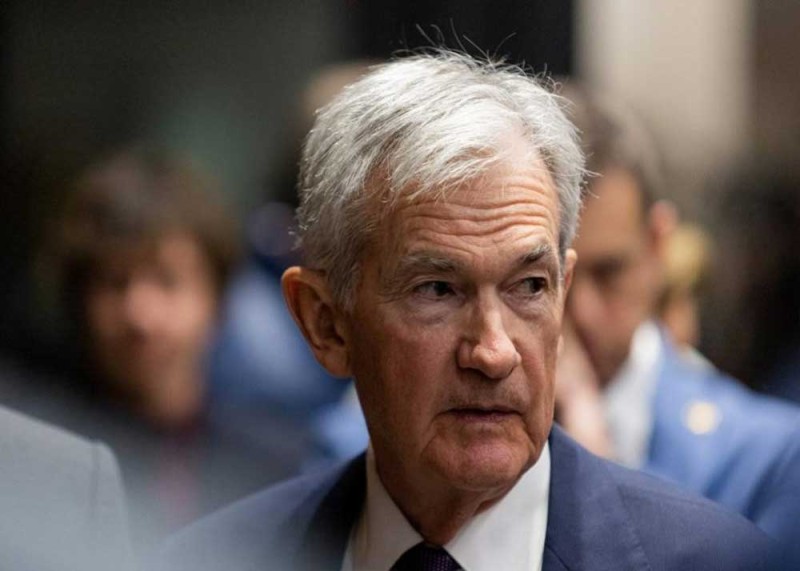
克劳迪娅·萨姆(Claudia Sahm)认为,投资者应该重新审视他们正在热切期盼的东西。
美联储在周三宣布今年的第三次降息,此举被广泛解读为防范劳动力市场彻底崩盘的保险措施。但对萨姆——一位前美联储经济学家、衰退指标构建者,也是该央行最受关注的外部解读者之一——而言,更重要的问题不在于美联储周三的行动本身,而在于未来进一步的降息意味着什么。
“如果(杰罗姆·)鲍威尔领导的美联储最终进行了更多次降息,”她在政策决定前告诉《财富》,“那可能说明我们的经济状况并不好。当心你许下的愿望(可能带来相反的结果)。”
这一说法与华尔街的主流情绪相悖。在华尔街,降息近期总能得到条件反射式的欢迎,期货市场甚至已开始为2026年的第二轮宽松政策定价。但萨姆认为,投资者只有在准备好为经济衰退喝彩时,才应该期待更多降息。
鲍威尔的最后任期,也是最艰难的阶段
萨姆预计,美联储今日的降息——这几乎已被期货市场普遍预期——将伴随提高一月份任何政策行动门槛的措辞。核心通胀率仍顽固地保持在2.8%,高于美联储2%的目标水平,且失业率正在上升,美联储正艰难地平衡其双重使命。
“这是一个艰难的局面,”萨姆说。“无论他们做什么,都可能破坏另一边的平衡。”
这种紧张关系尤为突出,因为美联储主席杰罗姆·鲍威尔的任期即将结束。在政府任命继任者之前,他还剩三次会议(一月、三月和四月),但总统唐纳德·特朗普(Donald Trump)将在圣诞节前后宣布新任主席人选(外界普遍认为是白宫顾问凯文·哈塞特(Kevin Hassett))。一旦宣布,鲍威尔实际上将成为“跛脚鸭”美联储主席,尽管萨姆指出,“坦率地说,自从特朗普当选并逐渐公开厌恶他提名的这位主席以来,鲍威尔已经当了相当一段时间的‘跛脚鸭’了。”
“在某种意义上,感觉这是鲍威尔主持的最后一次美联储会议了,”彭博社(Bloomberg)的康纳·森(Conor Sen)在X上写道。
对萨姆而言,现在重要的是数据——而非政治——在驱动政策。她警告说,随着美联储变得更加政治化,明年这种情况可能会改变。
美联储正在关注的劳动力市场信号
萨姆关注的并非降息这个头条新闻,而是美联储试图防范的就业市场潜在的脆弱性。
截至九月,失业率已连续三个月上升。招聘速度已放缓至历史上会对失业率造成上行压力的水平,“因为你总是有人进入劳动力市场,”她说。
然而,裁员潮尚未激增。这正是萨姆认为依赖初次申请失业救济人数来评估劳动力市场风险是危险的原因。
“初次申请失业救济数据并不能让你感知到未来会发生什么,”她说。这是经济学家喜欢称之为滞后指标的数据,意味着它们往往在经济衰退开始后才激增,而不是在此之前。最近几周的数据因假期和特殊因素而失真,信息量更少。
在她看来,真正的风险在于美联储等待过久。
“如果美联储等到看见恶化的迹象才行动,”她说,“那就为时已晚了。”
萨姆预计,鲍威尔将为未来进一步宽松政策保留可能性,但会强调任何额外的降息都需要更强有力的理由。
“如果鲍威尔谈到联邦基金利率正接近中性水平,”萨姆说,“那表明继续降息的门槛相当高。每次降息都在减轻经济压力,但通胀仍然高企。”
这种在保持数据依赖性的同时提高门槛的信号传递,可能会被华尔街解读为一次“鹰派降息”。
但萨姆强调,美联储不能把自己框死。12月份的就业报告将在今天的新闻发布会仅仅一周后发布。宣布胜利——或宣布降息周期结束——将使鲍威尔立即陷入被动。
“如果一切顺利,”她说,“这可能是鲍威尔领导的美联储最后一次降息。”(*)
译者:刘进龙
审校:汪皓
克劳迪娅·萨姆(Claudia Sahm)认为,投资者应该重新审视他们正在热切期盼的东西。
美联储在周三宣布今年的第三次降息,此举被广泛解读为防范劳动力市场彻底崩盘的保险措施。但对萨姆——一位前美联储经济学家、衰退指标构建者,也是该央行最受关注的外部解读者之一——而言,更重要的问题不在于美联储周三的行动本身,而在于未来进一步的降息意味着什么。
“如果(杰罗姆·)鲍威尔领导的美联储最终进行了更多次降息,”她在政策决定前告诉《财富》,“那可能说明我们的经济状况并不好。当心你许下的愿望(可能带来相反的结果)。”
这一说法与华尔街的主流情绪相悖。在华尔街,降息近期总能得到条件反射式的欢迎,期货市场甚至已开始为2026年的第二轮宽松政策定价。但萨姆认为,投资者只有在准备好为经济衰退喝彩时,才应该期待更多降息。
鲍威尔的最后任期,也是最艰难的阶段
萨姆预计,美联储今日的降息——这几乎已被期货市场普遍预期——将伴随提高一月份任何政策行动门槛的措辞。核心通胀率仍顽固地保持在2.8%,高于美联储2%的目标水平,且失业率正在上升,美联储正艰难地平衡其双重使命。
“这是一个艰难的局面,”萨姆说。“无论他们做什么,都可能破坏另一边的平衡。”
这种紧张关系尤为突出,因为美联储主席杰罗姆·鲍威尔的任期即将结束。在政府任命继任者之前,他还剩三次会议(一月、三月和四月),但总统唐纳德·特朗普(Donald Trump)将在圣诞节前后宣布新任主席人选(外界普遍认为是白宫顾问凯文·哈塞特(Kevin Hassett))。一旦宣布,鲍威尔实际上将成为“跛脚鸭”美联储主席,尽管萨姆指出,“坦率地说,自从特朗普当选并逐渐公开厌恶他提名的这位主席以来,鲍威尔已经当了相当一段时间的‘跛脚鸭’了。”
“在某种意义上,感觉这是鲍威尔主持的最后一次美联储会议了,”彭博社(Bloomberg)的康纳·森(Conor Sen)在X上写道。
对萨姆而言,现在重要的是数据——而非政治——在驱动政策。她警告说,随着美联储变得更加政治化,明年这种情况可能会改变。
美联储正在关注的劳动力市场信号
萨姆关注的并非降息这个头条新闻,而是美联储试图防范的就业市场潜在的脆弱性。
截至九月,失业率已连续三个月上升。招聘速度已放缓至历史上会对失业率造成上行压力的水平,“因为你总是有人进入劳动力市场,”她说。
然而,裁员潮尚未激增。这正是萨姆认为依赖初次申请失业救济人数来评估劳动力市场风险是危险的原因。
“初次申请失业救济数据并不能让你感知到未来会发生什么,”她说。这是经济学家喜欢称之为滞后指标的数据,意味着它们往往在经济衰退开始后才激增,而不是在此之前。最近几周的数据因假期和特殊因素而失真,信息量更少。
在她看来,真正的风险在于美联储等待过久。
“如果美联储等到看见恶化的迹象才行动,”她说,“那就为时已晚了。”
萨姆预计,鲍威尔将为未来进一步宽松政策保留可能性,但会强调任何额外的降息都需要更强有力的理由。
“如果鲍威尔谈到联邦基金利率正接近中性水平,”萨姆说,“那表明继续降息的门槛相当高。每次降息都在减轻经济压力,但通胀仍然高企。”
这种在保持数据依赖性的同时提高门槛的信号传递,可能会被华尔街解读为一次“鹰派降息”。
但萨姆强调,美联储不能把自己框死。12月份的就业报告将在今天的新闻发布会仅仅一周后发布。宣布胜利——或宣布降息周期结束——将使鲍威尔立即陷入被动。
“如果一切顺利,”她说,“这可能是鲍威尔领导的美联储最后一次降息。”(*)
译者:刘进龙
审校:汪皓
Claudia Sahm thinks investors should rethink what they’re salivating for.
The Federal Reserve is likely to deliver its third interest rate cut of the year on Wednesday, a move widely understood to be insurance against the bottom completely falling out of the labor market. But to Sahm—a former Fed economist, recession-indicator architect, and one of the central bank’s most closely watched outside interpreters—the more consequential question isn’t what the Fed does on Wednesday. It’s what additional cuts would mean.
“If the [Jerome] Powell Fed ends up doing a lot more cuts,” she told Fortune ahead of the decision, “then we probably don’t have a good economy. Be careful what you wish for.”
That framing cuts against the dominant mood on Wall Street, where rate cuts have recently been reflexively welcomed and futures markets are already pricing in a second round of easing in 2026. But Sahm thinks investors should only want more cuts if they’re prepared to cheer for a recession.
Powell’s last stretch, and the hardest one
Sahm expects the Fed’s cut today—almost universally anticipated in futures markets—to be paired with language that raises the bar for any move in January. With the core inflation rate still sticky at 2.8%, higher than the Fed’s preferred rate of 2%, and unemployment rising, the Fed is straddling both halves of its mandate.
“It is a tough one,” Sahm said. “Whatever they do could upset the other side.”
That tension is especially sharp because Fed Chair Jerome Powell is nearing the end of his term. He has three meetings left—January, March, and April—before the administration installs a successor, but President Donald Trump will announce his pick for the new chair (widely believed to be White House advisor Kevin Hassett) around Christmas. Once he does that, Powell effectively becomes a “lame duck” Fed chair, although Sahm notes that “frankly, he has been one for some time,” since Trump, who has grown to loudly despise his nominee, was elected.
“Feels like in a way the last Powell Fed meeting,” Bloomberg’s Conor Sen wrote on X.
What matters now for Sahm is that the data—not the politics—are driving policy. She warns that could change next year with a more political Fed.
The labor-market signal the Fed is watching
What Sahm is focused on is not the headline rate cut but the underlying fragility in the job market that the Fed is trying to insure against.
Unemployment has risen three months in a row through September. Hiring has slowed to levels that historically place upward pressure on unemployment, “because you always have people coming into the labor market,” she said.
Layoffs, however, haven’t surged yet. That’s precisely why Sahm thinks relying on initial jobless claims to assess labor-market risk is dangerous.
“Initial claims don’t give you a sense of what’s coming,” she said. They’re what economists like to call a lagging indicator, meaning they tend to spike after a recession is underway, not before it. Recent weekly readings, distorted by holidays and special factors, are even less informative.
The real risk, in her view, is that the Fed waits too long.
“If the Fed waits until they see signs of deterioration,” she said, “they’ve waited too long.”
Sahm expects Powell to keep the path open for more easing but to emphasize that each additional cut requires stronger justification.
“If Powell talks about the funds rate getting close to neutral,” Sahm said, “that tells you it’s a pretty high bar to keep cutting. Every cut takes pressure off the economy, and inflation is still elevated.”
That messaging—tightening the bar while remaining data-dependent—is what Wall Street might interpret as a “hawkish cut.”
But Sahm stresses the Fed cannot box itself in. The December employment report arrives just a week after today’s press conference. Declaring victory—or declaring the cutting cycle finished—would expose Powell to being immediately flat-footed.
“If all goes well,” she said, “this could be the last cut of the Powell Fed.”