


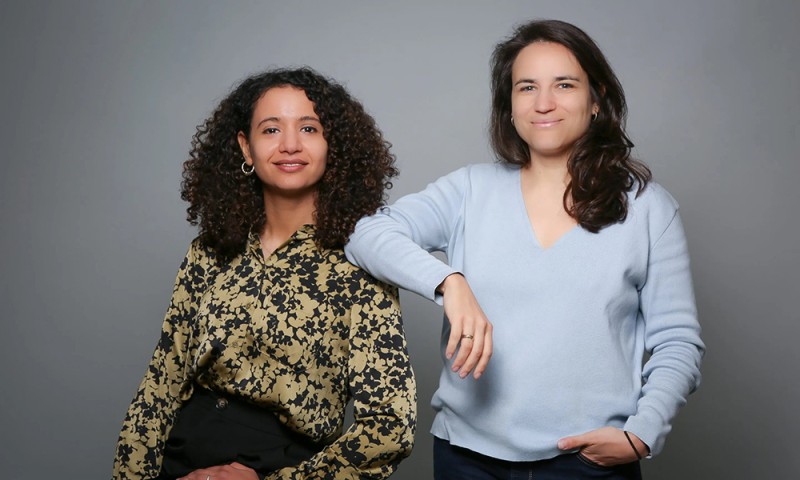
两位Palantir前员工创立了伦敦初创公司Ankar,旨在利用AI变革专利申请与管理流程,现已成功获得2,000万美元投资。
Ankar的A轮融资由风险投资公司Atomico领投,Index Ventures、Norrsken和Daphni跟投。今年5月,该公司曾宣布完成300万英镑(约合400万美元)的种子轮融资,该轮由Index领投,Daphni和Motier Ventures参与支持。
Ankar由塔玛尔·戈麦斯(Tamar Gomez)和维姆·加尔比(Wiem Gharbi)于2024年创立。两人在Palantir共事时结识,都曾亲身体验为新技术申请专利的漫长过程。戈麦斯拥有商业背景,曾担任Palantir的发展战略师;加尔比则受过数据科学专业训练,从事机器学习应用开发。公司名称“Ankar”来源于前伊斯兰诗歌中一位全知全能的骑士。
Ankar首席技术官加尔比在接受《财富》(Fortune)采访时表示:“知识产权长期以来被视为成本中心,我们正努力将其转化为当今竞争日益激烈的世界中所必需的战略性与竞争性资产。”
Ankar此次融资正值知识产权对企业价值日益关键之际。根据世界知识产权组织(World Intellectual Property Organization)的数据,在标普500指数成分股公司中,知识产权等无形资产的价值占比已高达90%。然而,戈麦斯和加尔比指出,保护这些资产的体系依然严重落后。她们在Palantir工作时就亲眼目睹了获取专利是何等耗时与艰难。
Ankar首席执行官戈麦斯表示:“从发明者脑海中的创新想法,到最终成为公司可依托专利形式利用的可靠资产,这个过程基本上需要数年时间。而所用的工具要么极其陈旧,要么根本不存在,整个流程就像是一堆人工操作的大杂烩。”
专利律师可能需要花费数周时间检索多个数据库、阅读专利文件,以确定现有专利(如果存在)与他们希望保护的新发明可能产生冲突的程度。接着,又需耗费数周精心撰写专利申请,提出恰当论据以应对专利审查员可能提出的异议。最终获得一项专利授权,整个过程可能长达24个月。
Ankar希望利用大语言模型来简化这一流程。由于这类模型能够搜索语义相同(即使并未使用完全一致的关键词)的表述,因此可以快速从数据库中找出相关专利文件,而以往这需要多次检索和数小时的阅读才能发现。
该初创公司的发明发现工具可在1.5亿份专利申请和2.5亿篇科学文献中进行检索,并生成报告,评估一项发明的“新颖性”,以及类似在先专利已提出的权利要求(即专利领域所称的“现有技术”)。该平台帮助发明人梳理创意,并指导专利律师起草申请文件,包括识别现有专利中的空白领域,以便新发明的权利要求能获得最大程度的支持。当专利律师需要回应审查员可能提出的质疑时,该平台也能提供支持,为他们呈现申请全流程的单一视图。
加尔比表示:“专利权利要求本质上是发明保护范围的界定——即‘我的发明中哪些最关键的部分需要保护?’(Ankar的)工具可以帮助提出一组初始的权利要求,然后协助专利律师思考拓宽这些权利要求范围的潜在选项。因此,它不再仅仅是帮您生成文字,因为我们认为单纯生成文字的价值会随时间推移而下降。更重要的是:‘我如何生成具有最佳特质的保护范围?’”
该公司已赢得一些知名的早期客户,包括全球化妆品巨头欧莱雅(L’Oréal)和国际律师事务所Vorys。Ankar表示,截至目前,其客户反馈平均生产效率提升了40%,数百小时的工作量被转移至高价值的战略工作中。
欧莱雅竞争性知识产权情报经理让-伊夫·勒让德(Jean-Yves Legendre)在一份声明中称赞Ankar,称这家初创公司“懂专利、说我们的语言,并能适应我们的需求”。
许多全球性公司,尤其是汽车、电子及其他研发密集型行业的企业,正加倍努力保护其知识产权,他们担心生成式AI会让竞争对手更容易复制产品设计、架构和工艺。与此同时,许多公司也迫切希望记录并保护自身知识产权,因为他们希望用这些数据训练或微调自己的AI模型,以提升生产效率。
Ankar计划利用新融资将目前20人的团队规模扩大一倍,并在欧洲和美国扩展其工程、产品、设计及市场推广团队。(*)
译者:郝秀
审校:汪皓
两位Palantir前员工创立了伦敦初创公司Ankar,旨在利用AI变革专利申请与管理流程,现已成功获得2,000万美元投资。
Ankar的A轮融资由风险投资公司Atomico领投,Index Ventures、Norrsken和Daphni跟投。今年5月,该公司曾宣布完成300万英镑(约合400万美元)的种子轮融资,该轮由Index领投,Daphni和Motier Ventures参与支持。
Ankar由塔玛尔·戈麦斯(Tamar Gomez)和维姆·加尔比(Wiem Gharbi)于2024年创立。两人在Palantir共事时结识,都曾亲身体验为新技术申请专利的漫长过程。戈麦斯拥有商业背景,曾担任Palantir的发展战略师;加尔比则受过数据科学专业训练,从事机器学习应用开发。公司名称“Ankar”来源于前伊斯兰诗歌中一位全知全能的骑士。
Ankar首席技术官加尔比在接受《财富》(Fortune)采访时表示:“知识产权长期以来被视为成本中心,我们正努力将其转化为当今竞争日益激烈的世界中所必需的战略性与竞争性资产。”
Ankar此次融资正值知识产权对企业价值日益关键之际。根据世界知识产权组织(World Intellectual Property Organization)的数据,在标普500指数成分股公司中,知识产权等无形资产的价值占比已高达90%。然而,戈麦斯和加尔比指出,保护这些资产的体系依然严重落后。她们在Palantir工作时就亲眼目睹了获取专利是何等耗时与艰难。
Ankar首席执行官戈麦斯表示:“从发明者脑海中的创新想法,到最终成为公司可依托专利形式利用的可靠资产,这个过程基本上需要数年时间。而所用的工具要么极其陈旧,要么根本不存在,整个流程就像是一堆人工操作的大杂烩。”
专利律师可能需要花费数周时间检索多个数据库、阅读专利文件,以确定现有专利(如果存在)与他们希望保护的新发明可能产生冲突的程度。接着,又需耗费数周精心撰写专利申请,提出恰当论据以应对专利审查员可能提出的异议。最终获得一项专利授权,整个过程可能长达24个月。
Ankar希望利用大语言模型来简化这一流程。由于这类模型能够搜索语义相同(即使并未使用完全一致的关键词)的表述,因此可以快速从数据库中找出相关专利文件,而以往这需要多次检索和数小时的阅读才能发现。
该初创公司的发明发现工具可在1.5亿份专利申请和2.5亿篇科学文献中进行检索,并生成报告,评估一项发明的“新颖性”,以及类似在先专利已提出的权利要求(即专利领域所称的“现有技术”)。该平台帮助发明人梳理创意,并指导专利律师起草申请文件,包括识别现有专利中的空白领域,以便新发明的权利要求能获得最大程度的支持。当专利律师需要回应审查员可能提出的质疑时,该平台也能提供支持,为他们呈现申请全流程的单一视图。
加尔比表示:“专利权利要求本质上是发明保护范围的界定——即‘我的发明中哪些最关键的部分需要保护?’(Ankar的)工具可以帮助提出一组初始的权利要求,然后协助专利律师思考拓宽这些权利要求范围的潜在选项。因此,它不再仅仅是帮您生成文字,因为我们认为单纯生成文字的价值会随时间推移而下降。更重要的是:‘我如何生成具有最佳特质的保护范围?’”
该公司已赢得一些知名的早期客户,包括全球化妆品巨头欧莱雅(L’Oréal)和国际律师事务所Vorys。Ankar表示,截至目前,其客户反馈平均生产效率提升了40%,数百小时的工作量被转移至高价值的战略工作中。
欧莱雅竞争性知识产权情报经理让-伊夫·勒让德(Jean-Yves Legendre)在一份声明中称赞Ankar,称这家初创公司“懂专利、说我们的语言,并能适应我们的需求”。
许多全球性公司,尤其是汽车、电子及其他研发密集型行业的企业,正加倍努力保护其知识产权,他们担心生成式AI会让竞争对手更容易复制产品设计、架构和工艺。与此同时,许多公司也迫切希望记录并保护自身知识产权,因为他们希望用这些数据训练或微调自己的AI模型,以提升生产效率。
Ankar计划利用新融资将目前20人的团队规模扩大一倍,并在欧洲和美国扩展其工程、产品、设计及市场推广团队。(*)
译者:郝秀
审校:汪皓
Two former Palantir employees hoping to use AI to transform the process for filing and managing patents have secured $20 million in investment for their London-based startup, Ankar.
The Series A funding round for Ankar was led by venture capital firm Atomico, with participation from Index Ventures, Norrsken, and Daphni. The company had announced a £3 million ($4 million) seed round in May that was led by Index, with support from Daphni and Motier Ventures.
Ankar was founded by Tamar Gomez and Wiem Gharbi in 2024. The pair met while working at Palantir, where they both encountered the time-consuming process of trying to obtain patents for new technology. Gomez, who has a business background, worked as a development strategist for Palantir, while Gharbi, who is a data scientist by training, worked on machine learning applications. They named their new company after an omniscient and powerful knight found in pre-Islamic poetry.
“We are trying to turn IP that has been viewed as a cost center for a very long time into more of a strategic and competitive asset that we need today in a world that is becoming more and more competitive,” Gharbi, who is Ankar’s chief technology officer, told Fortune.
The new funding for Ankar comes as intellectual property has become increasingly critical to corporate value. Intangible assets like IP now represent up to 90% of the value of S&P 500 companies, according to the World Intellectual Property Organization. Yet the systems for protecting those assets remain stubbornly outdated, according to Gomez and Gharbi, who say they witnessed how time-consuming and difficult it is to obtain a patent when they were working at Palantir.
“To go from something that’s in the head of the inventor—an innovation—to something that is a bankable asset that can be leveraged by the company in the form of a patent took years, basically,” said Gomez, who is Ankar’s CEO. “The tools to do so were incredibly legacy or just nonexistent. It was like a hodgepodge of manual processes.”
Patent attorneys can spend weeks searching multiple databases and reading patent filings to try to determine the extent to which, if any, prior patents might conflict with the new invention they were hoping to protect. Then it can take many more weeks to craft a patent application with the right arguments to try to overcome any objections from patent examiners. Securing a patent can take up to 24 months.
Ankar wants to use large language models to streamline that process. Because these models can search for phrasing that has the same meaning, even if it doesn’t use the exact same keywords, they can quickly surface patent filings from databases that previously would have taken multiple searches and hours of reading to discover.
The startup’s invention discovery tool searches across 150 million patent applications and 250 million scientific publications and produces reports assessing how “novel” an invention is and what claims have already been made by previously patented inventions that might be similar (what’s known in the patent world as “prior art.”) The platform helps inventors harvest their ideas and guides patent attorneys through drafting applications, including spotting gaps in existing patents where claims for a new invention might get the most traction. It also supports patent lawyers when they have to respond to possible challenges from patent examiners, giving them a single view of the entire history of the application process.
“Patent claims are basically the scope of protection for your invention—like, ‘What are the most important pieces of my invention that I want to protect?’ [Ankar’s] tool can help suggest an initial set of claims and then help the patent attorney think through potential options for broadening these claims,” Gharbi said. “So it’s no longer about just helping you kind of generate words, because we think that the value of just generating words is going to decrease over time. It’s going to become more about like, ‘How do I generate the best qualities of the scope of protection?’”
The company has secured some notable early customers, including global cosmetics giant L’Oréal and global law firm Vorys. Ankar says that so far its customers have reported an average 40% boost in productivity, with hundreds of hours shifted to high-value strategic work.
Jean-Yves Legendre, competitive IP intelligence manager at L’Oréal, praised Ankar in a statement, saying that the startup “understood patents, spoke our language, and adapted to our needs.”
Many global companies, particularly in automotive, electronics, and other R&D-heavy sectors are redoubling efforts to protect their intellectual property, concerned that generative AI will make it easier for competitors to replicate product designs, architectures, and processes. At the same time, many companies are eager to record and protect their IP because they want to use it to train or fine-tune their own AI models to help boost productivity.
Ankar plans to use the new funding to double its current 20-person headcount and expand its engineering, product, design, and go-to-market teams across Europe and the U.S.